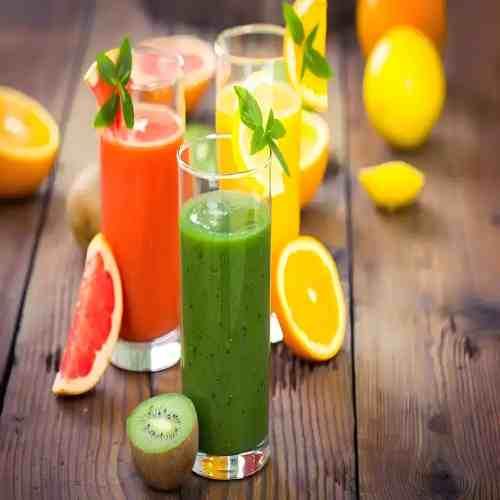
Chemical Name:Ascorbyl Palmitate
Molecular Formula:C22H38O7
CAS No.: 137-66-6
Content: ≥ 95%—99%
Scope of use: food ,cosmetic and pharmacy
Package specification:500g / bag, 10kg / carton , 25kgs/Barrel
Storage conditions:Keep in a cool dry place. Do mix with toxic substances.
Validity period: 24 months
Product Features:
Ascorbyl palmitate, which possesses all the physiological activities of vitamin C, is an effective antioxidant scavenger of oxygen free radicals. It has been evaluated by the World Health Organization (WHO) as a nutritious, efficient, and safe food additive in the Committee on Food Additives. It is the only antioxidant that can be used in infant food in China.
Application scope:
Food industry: Antioxidant; Color fixative, used to protect easily oxidizable natural pigments (such as paprika red, lycopene, carotene, lutein, etc.); as a fat-soluble antioxidant, it is suitable for various foods made from animal and vegetable oils, such as stabilizing soybean oil, cottonseed oil, palm oil, and hydrogenated plant unsaturated fatty oils, with significant effects; infant dairy products, to prevent oxidative deterioration of infant dairy products; fried products, to prevent rancidity of oils and extend shelf life (such as instant noodles, potato chips, fried fish, fried barbecue products, etc.).
Cosmetic industry: fat-soluble freckle-removing and whitening.
Pharmacy industry: protect the effective components of drugs and prevent oxidation; compared to vitamin C (VC), vitamin C nutritional enhancer has no gastrointestinal irritation effect.
Packaging specifications: 500 grams/bag, 10 kilograms/box, 25 kilograms/barrel. Storage conditions: Store in a cool and dry place. Do not mix with toxic substances.
Expiration Date: 24 months
Product name: Ascorbyl Palmitate Food Grade
Batch No.:2025112102
Manufacturing date:Dec 2,2025
Reporting date:Dec 7,2025
Retest date:Dec 1,2027
Quantity:500.5kg
Package: 25 kg per carton
Package size: 550*365*455 (mm) Irradiation / ETO treatment: No
Test Item
Specification
Method
Result
Appearance
A white or yellowish-white powder
BP2022, NF2022, FCC13
white powder
Identification
Infrared absorption
Consistent with the CRS
BP2022,NF2022, FCC13
Consistent with the CRS
Color reaction
The sample solution decolorizes dichlorophenol-indophenol TS
The retention time of the major
BP2022, FCC13
The sample solution
decolorizes dichlorophenol- indophenol TS
The retention time of the major
Chromatographic identity
peak of the Sample solution corresponds to that of the Standard solution
NF2022, FCC13
peak of the Sample solution corresponds to that of the Standard solution
Specific optical rotation
+21° ~ +24°
BP2022, NF2022, FCC13
+22.76°
Melting range
107 ~ 117℃
FCC13
111.0°C~114.8°C
Loss on drying
NMT 1.0%
BP2022,
NF2022, FCC13
0.27%
Sulphated ash
NMT 0.1%
BP2022
0.041%
Residue on ignition
NMT 0.1%
NF2022, FCC13
0.027%
Residual solvent
NMT 0.5%
NF2022
<0.5%
Assay
98.0% ~ 100.5%
BP2022,
NF2022, FCC13
99.2%
Test Item Specification Method Result
Additional testing
Odor Without caramel smell In-house Without caramel smell
Heavy metals
Lead ≤0.5 mg/kg AAS, in-house <0.5 mg/kg
Cadmium ≤0.5 mg/kg AAS, in-house <0.5mg/kg
Arsenic ≤0.5 mg/kg AAS, in-house <0.5 mg/kg
Mercury ≤0.1 mg/kg AAS, in-house <0.1 mg/kg
Microbials
Total Aerobic Microbial Count NMT 100 cfu/g ChP2020 <100 cfu/g
Total Yeasts and Moulds Count NMT 10 cfu/g ChP2020 <10 cfu/g
E. Coli Negative ChP2020 Negative P.aeruginosa Negative USP-NF<62> Negative Salmonella Negative ChP2020 Negative
S. Aureus Negative ChP2020 Negative
Conclusion: This batch complies with the specification of BP2022, USP
40,EP 11, FCC13 and additional requirements for heavy metals and microbials.
Remark: Preserve in airtight containers, protected from light, at a temperature of 8 ºC to 25 ºC.
Previous:
Magnesium L-threonateNext:
Nicotinamide riboside chlorideIf you are interested in our products and want to know more details,please leave a message here,we will reply you as soon as we can.
Categories
New Products
Vitamins are a collective term for a series of organic compounds that are essential for maintaining physical health. These substances are neither raw materials for body tissues nor sources of energy in the body, but rather a type of regulatory substance that plays an important role in material metabolism. These substances cannot be synthesized in the body or are synthesized in insufficient amounts, so although they require a small amount, most of them must be ingested through food.

Functional sugars are a type of carbohydrate with special functions, mainly including functional oligosaccharides, functional dietary fiber, and functional polyols. Due to the special effects of functional sugars, they can be added as a functional ingredient in food and can also be used as a substitute for sucrose in food, reducing the impact of sugar in food on special populations. From a purely chemical perspective, functional sugars actually refer to a collective term for several substances with special physiological effects, such as functional oligosaccharides, functional dietary fiber, and functional polyols.
Emulsifier refers to a substance that can improve the surface tension between various constituent phases in an emulsion, forming a uniform dispersion or emulsion. The amount of food emulsifier accounts for about half of the total amount of food additives, making it the most commonly used additive in the food industry. It plays an important role in food production and processing, and almost all food production and processing involve emulsifiers or emulsifying effects. Food emulsifiers are a class of multifunctional and efficient food additives that not only have typical surface activity, but also have functions such as defoaming, thickening, stabilization, lubrication, and protection in food.
Amino acids are a class of amphoteric organic compounds that are the basic building blocks of functional macromolecules in biological proteins. Amino acids are usually white solid powders that are soluble in water. Amino acids not only construct proteins in organisms, but also participate in metabolic processes and regulate physiological functions. In the food industry, amino acids are added to food to enhance its nutritional value.
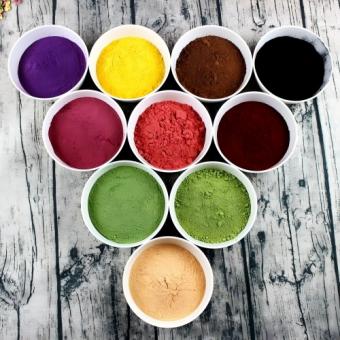
Colorants, also known as food coloring agents, are substances that primarily aim to color food and improve its color. There are currently over 60 commonly used food coloring agents in the world, which are divided into two categories based on their sources and properties: synthetic food coloring agents and natural food coloring agents. With the increasing awareness of food additive safety among people, vigorously developing natural, nutritious, and multifunctional natural colorants has become the development direction of colorants.

Enzyme preparations refer to biological products with catalytic functions that have been purified and processed by enzymes, mainly used to catalyze various chemical reactions in the production process. They have the characteristics of high catalytic efficiency, high specificity, mild reaction conditions, reduced energy consumption, and reduced chemical pollution. Their application fields cover bread baking industry, flour deep processing, fruit processing industry, etc. Enzyme preparations are derived from biological sources and are generally considered safe. They can be used in moderation according to production needs.
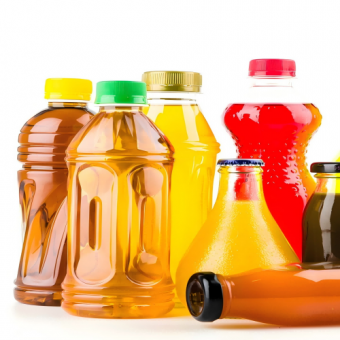
Sweetener refers to a food additive that can impart sweetness to soft drinks. Sweeteners can be divided into two categories based on their nutritional value: nutritional sweeteners and non nutritional sweeteners; According to their sweetness, they can be divided into low sweetness sweeteners and high sweetness sweeteners; According to their sources, they can be divided into natural sweeteners and synthetic sweeteners.

Food thickener: usually refers to a large molecular substance that can dissolve in water and fully hydrate under certain conditions to form a viscous and slippery solution, also known as food glue.. It is an important food additive with wide applications in the food industry, used as a gelling agent. A food additive that improves the physical properties or organizational state of food to make it sticky, smooth, and palatable. Thickener can also have emulsifying and stabilizing effects.
For inquiries about our products or pricelist, please leave to us and we will be in touch within 24 hours.


Copyright © 2026 Food ingredients,cosmetic ingredients,home care ingredients.. All Rights Reserved.

IPv6 network supported