
Products
Home Products
  • Essential Oil
    Essential Oil
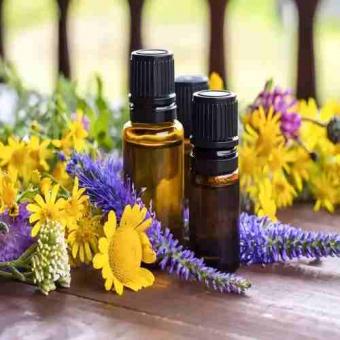
    Essential Oil is a highly concentrated volatile aromatic oily liquid extracted from the flowers, leaves, roots, stems, fruits, seeds, bark, and other parts of aromatic plants through physical methods such as distillation, pressing, and extraction.
  • Monomer spice
    Monomer spice
    definition Monomer flavor refers to the flavor compound with single component and clear molecular structure, which is the basic raw material for preparing various essence. Unlike natural essential oils (mixtures containing hundreds of ingredients), monomeric fragrances are pure single aromatic chemicals.
  • Isolongifolanone
    Isolongifolanone
    Isolongifolanone Basic Information Alias: Isolongifolanone CAS No.: 23787-90-8 Molecular Formula: C₁₅H₂₄O Molecular Weight: 220.32 Chemical Name: 2,2,7,7 - Tetramethyltricyclo [6.2.1.O³,⁸] undecane - 4 - one Category: Tricyclic sesquiterpene derivative Physicochemical Properties Appearance: Colorless to light yellow liquid Density: 0.997–1.010 g/cm³ Refractive Index: 1.498–1.503 Flash Point: Approximately 106℃ Boiling Point: Approximately 286.8℃ S olubility: Soluble in organic solvents such as ethanol, insoluble in water Aromatic Characteristics: Strong woody aroma, with patchouli-like earthy scent and vetiver fragrance, with long-lasting fragrance Industrial Synthesis Using longifolene from heavy turpentine as raw material: Isomerization in glacial acetic acid under sulfuric acid catalysis → Isolongifolanone Hydrogen peroxide oxidation + Epimerization → Isolongifolanone Product ketone content is usually 65%–80% Main Uses Table Isolongifolanone
  • Peptide
    Peptide
    Peptide products (oligopeptides from animals and plants) are primarily used as small molecular fragments resulting from the enzymatic hydrolysis of proteins, with a molecular weight much smaller than that of proteins. They are directly absorbed without digestion and are categorized into plant peptides (such as soy peptides, pueraria lobata peptides, and walnut peptides) and animal peptides (such as fish collagen peptides and sea cucumber peptides). Their overall applications are divided into three major categories: oral health care, food additives, and cosmetics.
  • L-Cysteine Hydrochloride Anhydrous
    L-Cysteine Hydrochloride Anhydrous
    CAS: 52-89-1 Molecular formula: C3H8ClNO2S, molecular weight 157.62 (anhydrous, without crystal water) Appearance: white crystalline powder, with a slight sulfur odor and strong sour taste; 1% aqueous solution pH ≈ 1.5~2.0, strongly acidic Core group: thiol (-SH), strong reducing property, essential precursor for human glutathione synthesis
  • Probiotics
    Probiotics
    Probiotics are live microorganisms that, when consumed in sufficient amounts, can bring benefits to human health. The mainstream strains include Bifidobacterium, Lactobacillus acidophilus, Lactobacillus plantarum, Lactobacillus rhamnosus, and Saccharomyces boulardii, which are mostly in the form of freeze-dried bacterial powder.  
  • Polysaccharides
    Polysaccharides
    Polysaccharides, which are high-molecular-weight carbohydrates formed by the linkage of more than 10 monosaccharides through glycosidic bonds, are divided into ordinary polysaccharides and bioactive functional polysaccharides (core ingredients for health supplements and functional foods). Common classifications: Fungal polysaccharides: Ganoderma lucidum polysaccharides, Lentinus edodes polysaccharides, Polystictus versicolor polysaccharides.  Plant polysaccharides: Houttuynia cordata polysaccharides, Lycium barbarum polysaccharides, Pueraria lobata polysaccharides, oat β-glucan. Oligosaccharides (prebiotics): Oligofructose
  • Animal and plant extracts
    Animal and plant extracts
    Animal and plant extracts are concentrated products obtained through the targeted enrichment of bioactive ingredients using processes such as water extraction, alcohol extraction, supercritical fluid extraction, enzymatic hydrolysis, membrane separation, and spray drying, with raw materials including the whole plant/root, stem, flower, fruit, and seed of plants, as well as animal tissues/body fluids/soft tissues/aquatic products. They are divided into two independent categories: plant extracts and animal extracts.
    A total of

    8

    pages

Copyright © 2026 Food ingredients,cosmetic ingredients,home care ingredients.. All Rights Reserved.

IPv6 network supported

top

Leave A Message

Leave A Message

    If you are interested in our products and want to know more details,please leave a message here,we will reply you as soon as we can.

  • #
  • #
  • #