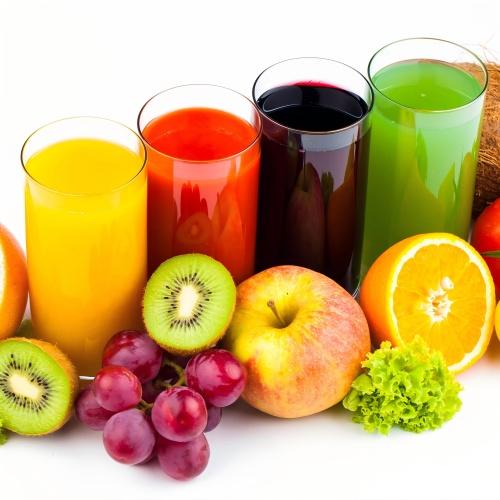
Peptide products (oligopeptides from animals and plants) are primarily used as small molecular fragments resulting from the enzymatic hydrolysis of proteins, with a molecular weight much smaller than that of proteins. They are directly absorbed without digestion and are categorized into plant peptides (such as soy peptides, pueraria lobata peptides, and walnut peptides) and animal peptides (such as fish collagen peptides and sea cucumber peptides). Their overall applications are divided into three major categories: oral health care, food additives, and cosmetics.
1. Health food (core purpose)
1.1. Repair intestinal mucosa, improve intestinal leaky syndrome. Small molecular peptides can be directly absorbed by the intestine, repairing the damaged intestinal barrier; combined with probiotics and polysaccharides for synergistic conditioning: alleviate chronic enteritis, recurrent abdominal distension, alternating diarrhea and constipation; reduce food allergies, skin sensitivity, and improve insomnia and anxiety caused by gut-brain disorders.
1.2. Representatives for cardiovascular and cerebrovascular maintenance and microcirculation improvement: Walnut peptides, puerarin peptides, and fish peptides regulate blood lipids, soften vascular endothelium, and reduce lipid deposition; they also assist in alleviating blood pressure fluctuations, improving cold hands and feet, and reducing blood viscosity; often combined with lycopene, astaxanthin, and magnesium L-threonate to create vascular maintenance formulas for the elderly.
1.3. Nourishing the brain, enhancing memory, and soothing the nerves: Walnut peptides and fish brain peptides demonstrate outstanding advantages. They supply small molecule amino acids to the brain, improve concentration, and alleviate mental fatigue. When combined with magnesium L-threonate, they can improve forgetfulness, shallow sleep, and migraines.
1.4. Anti-aging and skin repair (oral beauty nourishment) collagen peptide highlights: promote self-collagen synthesis, improve skin dryness, fine lines, and sagging; brighten skin tone, reduce dullness, and combine with niacinamide, anhydrous cysteine, and astaxanthin for antioxidant and spot-fading effects.
1.5. Liver protection and reducing metabolic burden on the body: Small molecular peptides are absorbed without increasing the digestive pressure on the liver; combined with Ganoderma lucidum polysaccharides and L-cysteine: Assists in repairing liver damage, alleviating fatigue and weakness caused by staying up late and drinking alcohol; improves nutritional supply for people with fatty liver.
1.6. Enhance physical strength, resist fatigue, and supplement with high-quality protein. Preferred for post-operative, physically weak, and active individuals: Its absorption rate far exceeds that of milk and egg protein, quickly alleviating muscle soreness after exercise. Suitable for the elderly, individuals with weak digestion, and those in the post-operative recovery period to supplement nutrition.
1.7. Joint maintenance with fish bone, cartilage peptide, and bovine bone peptide: Supplement joint cartilage nutrition, alleviate joint pain and stiffness.
2. Uses in ordinary food and meal replacement ingredients:
Soy oligopeptides are added to meal replacement powders, mixed grain powders, and solid beverages to enhance protein nutrition, provide a stronger sense of fullness, and are mild on the stomach without causing harm; often combined with oat flour, oligofructose, and complex polysaccharides.
Dairy products and protein drinks enhance nutrition, improve taste, and are easy to absorb, making them commonly used by children and elderly people as nutritional milk.
Baking and convenience food improvement can enhance the taste, improve the amino acid nutrition of products, and soften the texture.
Special dietary products (postoperative and sugar-controlled meal replacements) are characterized by low molecular weight, low glycemic index, non-stimulating to blood sugar, and minimal digestive burden.
3. Cosmetic topical peptides (cosmetic peptides / hydrolyzed animal and plant peptides) repair the skin barrier, soothe redness and sensitivity; promote collagen production, fade dry and fine lines; inhibit melanin transport, even skin tone, fade acne scars; scalp care peptides: strengthen hair roots, reduce hair loss, used in combination with cysteine.
4. Common OEM compounding combinations (peptide + familiar ingredients) Gastrointestinal package: oligopeptides + probiotics + ganoderma
lucidum polysaccharides Vascular anti-aging:
walnut peptides + lycopene + astaxanthin Calming and brain health:
walnut peptides + magnesium L-threonate + beta-carotene Internal beauty care:
fish collagen peptides + anhydrous cysteine + niacin Stay up late and protect liver:
soy peptides + ganoderma lucidum polysaccharides + L-cysteine hydrochloride
Plant peptides
Soybean peptides
Pueraria l obata peptide
Corn peptides
Walnut peptides
Oat peptides
Seabuckthorn peptide
Yam peptide
Wheat peptides
Ginseng peptides
American ginseng peptide
Codonopsis pilosula peptide
Codonopsis peptide
Maca peptide
Cistanche peptide
Corn silk peptides
Ganoderma Peptide
Red date peptides
jujube seed peptide
Dendrobium peptides
Chestnut peptide
Goji Berry Peptide
mung bean peptides
Polygonatum peptide
Almond peptides
Dandelion peptide
Tanshi none
Tre mella peptide
Red Ginseng Peptide
Wood ear peptides
Her ici um erinaceus peptide
Birch Polypeptide
Astragal us peptide
Bitter melon peptides
Glutathione
Animal peptides
Donkey bone peptide
Oyster peptides
Casein peptides
Yak bone peptide
Giant Salamander Peptide
Sea cucumber peptides
Bovine spleen peptide
Placental peptides
Leech peptide
Deer antler peptide
Deer blood peptide
Deer bone peptide
Goose liver peptide
Earthworm protein peptide
Silkworm pupa protein peptides
Yellow meal worm peptides
Forest frog protein peptides
Scallop peptide
snail peptide
Crocodile meat peptide
Sea cucumber intestinal peptide
Clam meat polypeptide
Egg yolk peptide
Skipjack tuna el astin peptides
Bovine bone marrow peptide
Albumin peptides/ Egg white
Cardiac peptides
Calf thy mosin peptides
Cod collagen peptides
donkey skin peptides
Goose muscle peptide
Tilapia oligo peptides
Deer Antler Peptide
Selenium-enriched Cordyceps peptides
Bovine el astin peptides
Donkey-hide gelatin peptides
pig brain peptides
Type II collagen peptides
Turtle shell polypeptide
If you are interested in our products and want to know more details,please leave a message here,we will reply you as soon as we can.
Categories
New Products
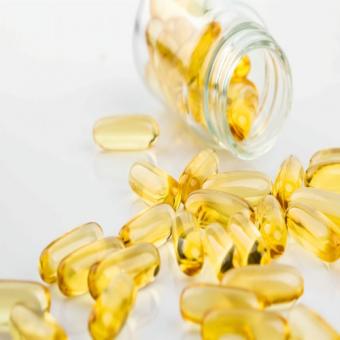
Vitamins are a collective term for a series of organic compounds that are essential for maintaining physical health. These substances are neither raw materials for body tissues nor sources of energy in the body, but rather a type of regulatory substance that plays an important role in material metabolism. These substances cannot be synthesized in the body or are synthesized in insufficient amounts, so although they require a small amount, most of them must be ingested through food.

Functional sugars are a type of carbohydrate with special functions, mainly including functional oligosaccharides, functional dietary fiber, and functional polyols. Due to the special effects of functional sugars, they can be added as a functional ingredient in food and can also be used as a substitute for sucrose in food, reducing the impact of sugar in food on special populations. From a purely chemical perspective, functional sugars actually refer to a collective term for several substances with special physiological effects, such as functional oligosaccharides, functional dietary fiber, and functional polyols.
Emulsifier refers to a substance that can improve the surface tension between various constituent phases in an emulsion, forming a uniform dispersion or emulsion. The amount of food emulsifier accounts for about half of the total amount of food additives, making it the most commonly used additive in the food industry. It plays an important role in food production and processing, and almost all food production and processing involve emulsifiers or emulsifying effects. Food emulsifiers are a class of multifunctional and efficient food additives that not only have typical surface activity, but also have functions such as defoaming, thickening, stabilization, lubrication, and protection in food.
Amino acids are a class of amphoteric organic compounds that are the basic building blocks of functional macromolecules in biological proteins. Amino acids are usually white solid powders that are soluble in water. Amino acids not only construct proteins in organisms, but also participate in metabolic processes and regulate physiological functions. In the food industry, amino acids are added to food to enhance its nutritional value.
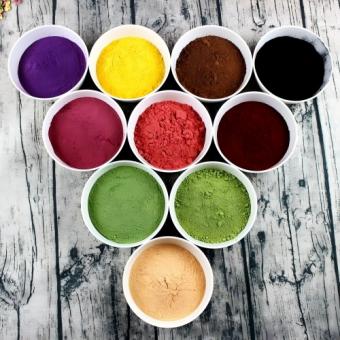
Colorants, also known as food coloring agents, are substances that primarily aim to color food and improve its color. There are currently over 60 commonly used food coloring agents in the world, which are divided into two categories based on their sources and properties: synthetic food coloring agents and natural food coloring agents. With the increasing awareness of food additive safety among people, vigorously developing natural, nutritious, and multifunctional natural colorants has become the development direction of colorants.

Enzyme preparations refer to biological products with catalytic functions that have been purified and processed by enzymes, mainly used to catalyze various chemical reactions in the production process. They have the characteristics of high catalytic efficiency, high specificity, mild reaction conditions, reduced energy consumption, and reduced chemical pollution. Their application fields cover bread baking industry, flour deep processing, fruit processing industry, etc. Enzyme preparations are derived from biological sources and are generally considered safe. They can be used in moderation according to production needs.
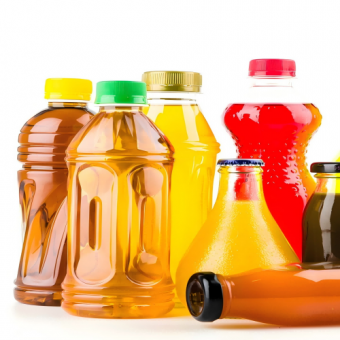
Sweetener refers to a food additive that can impart sweetness to soft drinks. Sweeteners can be divided into two categories based on their nutritional value: nutritional sweeteners and non nutritional sweeteners; According to their sweetness, they can be divided into low sweetness sweeteners and high sweetness sweeteners; According to their sources, they can be divided into natural sweeteners and synthetic sweeteners.

Food thickener: usually refers to a large molecular substance that can dissolve in water and fully hydrate under certain conditions to form a viscous and slippery solution, also known as food glue.. It is an important food additive with wide applications in the food industry, used as a gelling agent. A food additive that improves the physical properties or organizational state of food to make it sticky, smooth, and palatable. Thickener can also have emulsifying and stabilizing effects.
For inquiries about our products or pricelist, please leave to us and we will be in touch within 24 hours.


Copyright © 2026 Food ingredients,cosmetic ingredients,home care ingredients.. All Rights Reserved.

IPv6 network supported