
[Chemical formula]: C24H42O21.
CAS number:10094-58-3
Molecular weight: 666.59.[Validity period]: Two years.
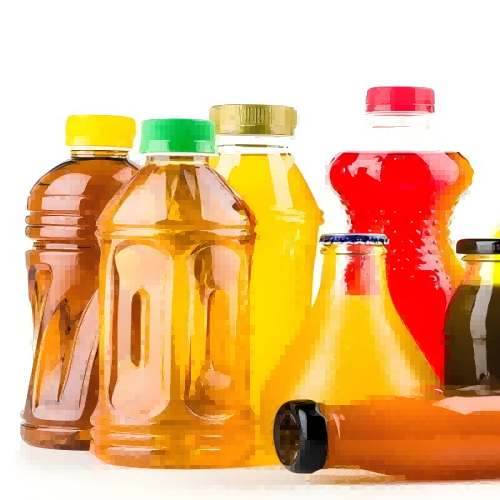
It can be added to liquid foods, such as lactic acid drinks, vinegar drinks, beer and other beverages, to develop new functional foods. The addition amount is small, the effect is significant, and it will not destroy the flavor of the original food. Adding it to baked goods can retain moisture and alter the rheological properties of the dough.
Previous:
Deglycyrrhizinated licoriceNext:
PeptoneIf you are interested in our products and want to know more details,please leave a message here,we will reply you as soon as we can.
Categories
New Products

Vitamins are a collective term for a series of organic compounds that are essential for maintaining physical health. These substances are neither raw materials for body tissues nor sources of energy in the body, but rather a type of regulatory substance that plays an important role in material metabolism. These substances cannot be synthesized in the body or are synthesized in insufficient amounts, so although they require a small amount, most of them must be ingested through food.

Functional sugars are a type of carbohydrate with special functions, mainly including functional oligosaccharides, functional dietary fiber, and functional polyols. Due to the special effects of functional sugars, they can be added as a functional ingredient in food and can also be used as a substitute for sucrose in food, reducing the impact of sugar in food on special populations. From a purely chemical perspective, functional sugars actually refer to a collective term for several substances with special physiological effects, such as functional oligosaccharides, functional dietary fiber, and functional polyols.
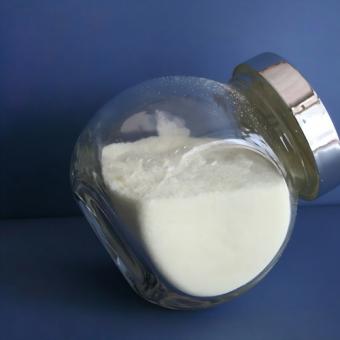
Emulsifier refers to a substance that can improve the surface tension between various constituent phases in an emulsion, forming a uniform dispersion or emulsion. The amount of food emulsifier accounts for about half of the total amount of food additives, making it the most commonly used additive in the food industry. It plays an important role in food production and processing, and almost all food production and processing involve emulsifiers or emulsifying effects. Food emulsifiers are a class of multifunctional and efficient food additives that not only have typical surface activity, but also have functions such as defoaming, thickening, stabilization, lubrication, and protection in food.
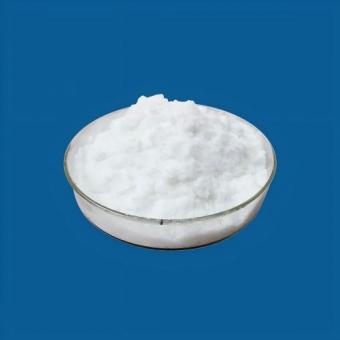
Amino acids are a class of amphoteric organic compounds that are the basic building blocks of functional macromolecules in biological proteins. Amino acids are usually white solid powders that are soluble in water. Amino acids not only construct proteins in organisms, but also participate in metabolic processes and regulate physiological functions. In the food industry, amino acids are added to food to enhance its nutritional value.
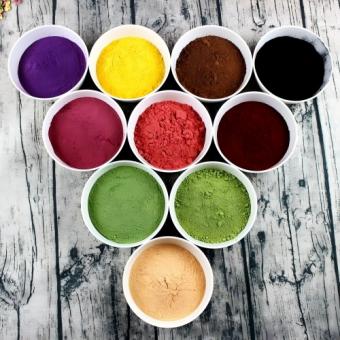
Colorants, also known as food coloring agents, are substances that primarily aim to color food and improve its color. There are currently over 60 commonly used food coloring agents in the world, which are divided into two categories based on their sources and properties: synthetic food coloring agents and natural food coloring agents. With the increasing awareness of food additive safety among people, vigorously developing natural, nutritious, and multifunctional natural colorants has become the development direction of colorants.

Enzyme preparations refer to biological products with catalytic functions that have been purified and processed by enzymes, mainly used to catalyze various chemical reactions in the production process. They have the characteristics of high catalytic efficiency, high specificity, mild reaction conditions, reduced energy consumption, and reduced chemical pollution. Their application fields cover bread baking industry, flour deep processing, fruit processing industry, etc. Enzyme preparations are derived from biological sources and are generally considered safe. They can be used in moderation according to production needs.
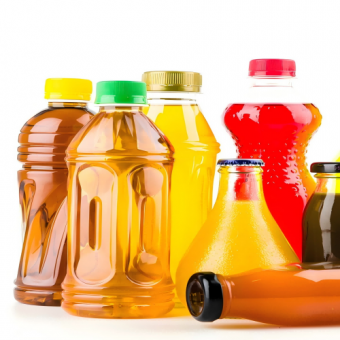
Sweetener refers to a food additive that can impart sweetness to soft drinks. Sweeteners can be divided into two categories based on their nutritional value: nutritional sweeteners and non nutritional sweeteners; According to their sweetness, they can be divided into low sweetness sweeteners and high sweetness sweeteners; According to their sources, they can be divided into natural sweeteners and synthetic sweeteners.

Food thickener: usually refers to a large molecular substance that can dissolve in water and fully hydrate under certain conditions to form a viscous and slippery solution, also known as food glue.. It is an important food additive with wide applications in the food industry, used as a gelling agent. A food additive that improves the physical properties or organizational state of food to make it sticky, smooth, and palatable. Thickener can also have emulsifying and stabilizing effects.
For inquiries about our products or pricelist, please leave to us and we will be in touch within 24 hours.


Copyright © 2026 Food ingredients,cosmetic ingredients,home care ingredients.. All Rights Reserved.

IPv6 network supported