D-Panthenol is a widely used vitamin B nutritional supplement, extensively applied in fields such as medicine, food, feed, and cosmetics, particularly in skin pharmaceuticals, skincare, and hair cosmetics. D-panthenol, commonly known as vitamin B5, is a B-group vitamin and the dextrorotatory isomer of panthenol. Upon entering the human body, D-panthenol can be converted into pantothenic acid, which then synthesizes coenzyme A, promoting the metabolism of proteins, fats, and carbohydrates in the body. It protects the mucous membranes on the skin surface and maintains the luster of hair. A deficiency of D-panthenol can lead to skin lesions and physiological disorders.
Key properties: D-panthenol contains three hydroxyl groups and exhibits high physiological activity. In the skin and scalp, D-panthenol is converted into pantothenic acid, which exists in human tissues in the form of pantothenic acid. It is a key component of coenzyme A and functions as a carrier for acetylation reactions. The reaction between acetate and coenzyme A produces activated acetate, which is essential for lipid and protein synthesis, exhibiting the biological activity of a vitamin.
Panthenol is an optically active isomer, and only the dextrorotatory form, D-panthenol, exhibits physiological activity. The cosmetics industry primarily uses D-panthenol. The efficacy of panthenol on the skin has been clinically proven in multiple countries. It is widely used in cosmeceutical products in Europe, the United States, and Japan. Panthenol easily penetrates the stratum corneum, has a strong moisturizing effect, and helps alleviate skin discomfort, itching, and stimulates epidermal cell growth.
D-panthenol appears as a colorless to light yellow, odorless, transparent, highly viscous liquid. It is easily soluble in water, ethanol, methanol, and propylene glycol, soluble in chloroform and ether, slightly soluble in glycerol, and insoluble in vegetable oil, mineral oil, and fats. It is relatively stable to heat and remains stable within a pH range of 4 to 7 (with an optimal pH of 6.0).
Performance: 1. Superior deep moisturizing performance: Panthenol, with its small molecular weight, can effectively penetrate the stratum corneum and moisten the surface layer of the skin, providing a strong moisturizing effect. It effectively improves skin roughness, leaving the skin soft and non-greasy.
2. Accelerated wound healing effect: Stimulates epithelial cell growth, accelerates the healing time of epidermal wounds, and repairs tissue trauma; effective for eczema, sunburn, and baby diaper rash.
Some studies on mice have shown that pantothenic acid can enhance the productivity of fibroblasts. It aids in wound healing and is thus used in anti-aging products. Research has indicated that among women aged 30-60, a compound containing panthenol and niacinamide can improve signs of skin aging.
3. Hair care benefits: Panthenol can penetrate into the hair, providing long-lasting moisturization, enhancing hair shine, reducing hair split ends, preventing frizz and breakage, and repairing damaged hair.
After using shampoo or conditioner containing panthenol, some sticky and transparent residue may remain on the hair. These substances can coat the hair, giving it a shiny appearance. Although they cannot increase hair density or strengthen it, this form of vitamin B5 can serve as a lubricant to improve hair quality.
In hair care products, panthenol can both coat the surface of hair for protection and penetrate deep into the hair. In hair damage experiments (on both normal and bleached hair), it was found that panthenol can reduce breakage.
4. Nail care function: Panthenol can enhance hydration and improve nail flexibility.
Item 检验项目
Specification 规格标准
Results 结果
Appearance 外观
无色清澈粘稠液体
Colorless, clear, viscous liquid
Conform 符合
Odor & Taste 气味
Characteristic odor特殊气味
Conform 符合
Assay 含量
98.0- 102%
99.3%
Specific optical rotation[α]D 20
比旋光度
﹢29.0 °+31.5 °
+29.55 °
Refractive index ,(20℃)折射率
1.495- 1.502
1.498
Loss on Drying 干燥失重
≤1 %
0.69%
Residue on ignition 灼烧残渣
≤0.1%
0.05 %
3-Aminopropanol 3-氨基丙醇
1.0%
<1.0%
Heavy Metals 重金属
≤10 mg/kg
Conform 符合
As 砷
≤0.5 mg/kg
Conform 符合
Cd 镉
≤1 mg/kg
Conform 符合
Pb 铅
≤1 mg/kg
Conform 符合
Hg 汞
≤0.5 mg/kg
Conform 符合
Total Plate Count 菌落总数
≤1000 cfu/g
Conform 符合
Total Yeast & Mold 酵母菌与霉菌
≤100 cfu/g
Conform 符合
E. Coli 大肠杆菌
Negative 不得检出
Absent 未检出
Salmonella 沙门氏菌
Negative 不得检出
Absent 未检出/25g
Staphylococcus 葡萄球菌
Negative 不得检出
Absent 未检出/25g
检测结论:合格
Packing 包装
Double plastic bags for inner packing and firber drum for outer packing,
内用双层塑料袋;外用纸板桶
Expiration Date 保质期
2 Years When Stored properly 2 年
Previous:
NicotinamideNext:
Hyaluronic acid/sodium hyaluronateIf you are interested in our products and want to know more details,please leave a message here,we will reply you as soon as we can.
Categories
New Products
Surfactant, also known as interfacial active agent, is a compound that can significantly reduce the surface tension or interfacial tension between two liquids, liquid gas, and liquid solid. Surfactants are divided into ionic surfactants (including cationic surfactants, anionic surfactants, amphoteric surfactants), non-ionic surfactants, amphiphilic surfactants, etc.
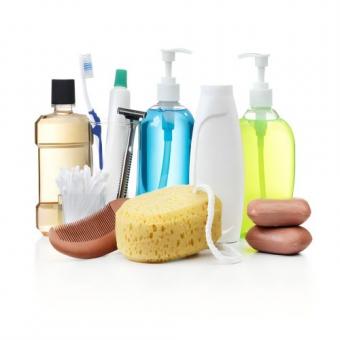
Surfactant, also known as interfacial active agent, is a compound that can significantly reduce the surface tension or interfacial tension between two liquids, liquid gas, and liquid solid. Surfactants are divided into ionic surfactants (including cationic surfactants, anionic surfactants, amphoteric surfactants), non-ionic surfactants, amphiphilic surfactants, etc.
Anti-aging agent promotes collagen production, enhances skin elasticity, and reduces wrinkles and fine lines Restoring agents repair damaged skin barriers, enhance skin resistance, reduce damage from external stimuli, and improve sensitive skin.
Conditioning agents is mainly used to improve the texture of hair, making it smooth, soft, easy to comb, and has a shaping effect.
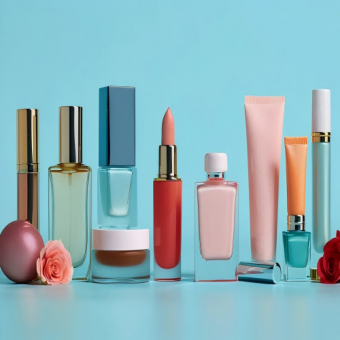
Silicone oil is a kind of polysiloxane formed by alternating arrangement of silicon and oxygen. It has a silicon oxygen bond (Si-O) chain structure and usually exists in the form of liquid or gel. It has excellent chemical stability and high temperature resistance. Silicone oil has good film-forming properties, hydrophobicity, breathability, and physiological inertness. It can form a soft and breathable protective film on the surface of the skin, keeping the skin hydrated and smooth. Silicone oil is widely used in cosmetics, providing excellent protection and improvement functions.
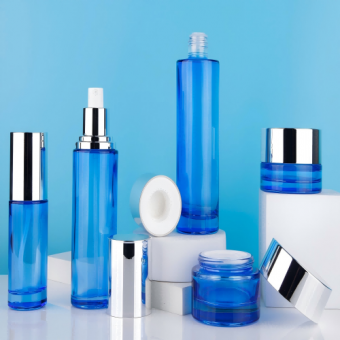
Emollients are cosmetic components that help maintain the softness, flexibility, and smooth appearance of the skin. The function of Emollients is to remain on the surface of the skin and provide lubrication within the stratum corneum. Usually filling the space on the surface of the skin, replacing the lost lipids in the stratum corneum, reducing scaly skin, and improving skin appearance.
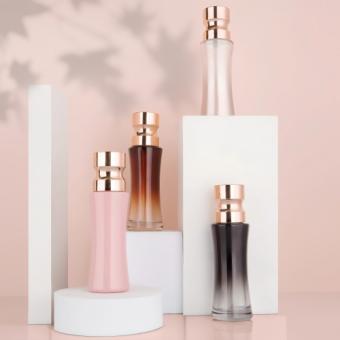
Vegetable oil is a compound formed by the reaction of higher fatty acids and glycerol, widely distributed in nature. It is an oil obtained from the fruits, seeds, and germ of plants, such as peanut oil, soybean oil, flaxseed oil, castor oil, rapeseed oil, etc. The fatty acids in vegetable oils can moisturize and brighten the skin, and are widely used in cosmetics.
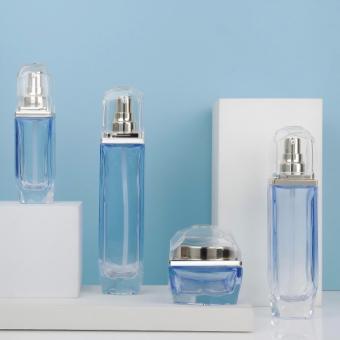
Emulsifier is a type of substance that can form a stable emulsion from a mixture of two or more immiscible components. Emulsifiers are widely used in the daily chemical industry in care products and cosmetics. The emulsifiers used include natural surfactants and synthetic surfactants.
For inquiries about our products or pricelist, please leave to us and we will be in touch within 24 hours.


Copyright © 2026 Food ingredients,cosmetic ingredients,home care ingredients.. All Rights Reserved.

IPv6 network supported