Nicotinamide, also known as nicotinic acid amide, is an amide compound of nicotinic acid. As a derivative of vitamin B3, nicotinamide is listed by the National Medical Products Administration and authoritative medical dictionaries, with clear functions and effects. It is widely used in skin care and medical fields. Not only is it an important coenzyme component for maintaining normal human metabolism, but it is also recognized as an "all-rounder" in the skin care industry, excelling in whitening, repairing, and oil control.
The title of "all-rounder" for niacinamide largely stems from its ability to function at different levels of the skin. Currently, there is clear scientific evidence supporting its following effects:
1. Whitening and brightening. The whitening mechanism of niacinamide is unique. It can interfere with the transport process of melanosomes, that is, the transfer from melanocytes to surrounding keratinocytes. In short, it prevents melanin from being "delivered" to the surface of the skin, which leads to dull skin tone. At the same time, it can accelerate the shedding of keratinocytes containing melanin and promote skin renewal. Multiple studies have confirmed that consistent use of skin care products containing 2% to 5% concentration of niacinamide for 4 to 8 weeks can significantly improve uneven skin tone, fade pigmentation spots, and enhance skin radiance.
2. Oil control and acne prevention For oily and acne-prone skin, niacinamide is a good helper. It can regulate the activity of sebaceous gland cells, thereby reducing excessive sebum secretion. Studies have shown that after using 2% concentration of niacinamide externally for 2 weeks, the amount of oil on the skin surface is significantly reduced. 3. Repairing the barrier Healthy skin barrier is the key to resisting external stimuli and retaining water. Niacinamide can significantly promote the synthesis of key barrier lipids such as ceramides, free fatty acids, and cholesterol in the stratum corneum. Especially ceramides, which are the "adhesives" of intercellular lipids, are crucial for maintaining the integrity of the barrier. By increasing these lipids, niacinamide can effectively enhance the skin barrier function, reduce transepidermal water loss, improve skin's water retention ability, and make the skin stronger, less sensitive, and less prone to dryness.
4. Anti-inflammatory and soothing properties: Niacinamide can inhibit the release of various pro-inflammatory cytokines and suppress the synthesis of inflammatory mediators. This makes it effective in reducing skin redness, irritation, and inflammatory reactions. Clinical trials have shown that topical niacinamide can alleviate erythema caused by ultraviolet radiation and help improve inflammatory skin conditions such as rosacea and eczema.
5. Anti-aging and anti-wrinkling As we age, the levels of key coenzymes in the skin decrease, leading to weakened cellular energy metabolism and repair capabilities. Nicotinamide, as a precursor of NAD+, helps restore cellular energy levels and supports DNA repair. It also possesses strong antioxidant capacity, neutralizing free radicals, inhibiting lipid peroxidation, and protecting cells from oxidative damage. More importantly, it can prevent harmful "glycation reactions" between proteins (such as collagen and elastin) and sugars, reducing the production of advanced glycation end products that cause skin yellowing and loss of elasticity. In addition, nicotinamide can stimulate the synthesis of collagen and elastin. These combined effects combat signs of skin aging, such as fine lines, wrinkles, sagging, and dull skin tone.
6. UV Protection: Ultraviolet (UV) radiation is one of the primary culprits behind skin aging and carcinogenesis, directly damaging the DNA of skin cells. Niacinamide enhances the skin's ability to repair UV-induced DNA damage by providing the energy necessary for repair and supporting DNA repair enzymes. This not only helps alleviate short-term sunburn reactions but may also reduce the long-term risk of UV-induced skin cancer.
Product Name: Nicotinamide/Niacinamide(Version:Niacin≤20ppm)
Test basis
Test Items
Q/GHB 003-2023 Standard provisions
Inspection Results
Appearance
White granule or crystalline powder ,odourless or
almost odourless
White granule ,odourless
Melting point ,℃ Absorption
128~131
129.3-130.3
coefficient,
(261nm)
417~443
428
Color reaction
Pass the test
Pass the test
UItraviolet
absorption
Max absorption at 261nm ,Minimum absorption at 245nm and the A245/A261 is 0.63-0.67
Max absorption at 261nm,Minimum
absorption at 245nm and the
A245/A261 is 0.66
Infrared absorption
The test sample atlas shall be consistent with the
standard sample Atlas
Consistent with the standard atlas
PH(100g/L)
6.0~7.5
7.4
Clarity and color of solution
The solution should be clarified ,If the color is lighter than the BY7 standard control solution
Pass the test
Carbonizable
substances
Pass the test
Pass the test
Related
substances
Pass the test
Pass the test
Loss on Drying ,%
≤0.5
0.18
Ignition
Residue ,%
≤0.1
0.01
Assay
(C6 H6N2O) ,%
≥99.0
99.8
Niacin ,mg/kg
≤20
8
Heavy metal(Pb),
mg/kg
Chloride ,mg/kg
≤2
<2
≤70
<70
Sulfate ,mg/kg
≤190
<190
Previous:
vitamin E acetateNext:
D-panthenolIf you are interested in our products and want to know more details,please leave a message here,we will reply you as soon as we can.
Categories
New Products
Surfactant, also known as interfacial active agent, is a compound that can significantly reduce the surface tension or interfacial tension between two liquids, liquid gas, and liquid solid. Surfactants are divided into ionic surfactants (including cationic surfactants, anionic surfactants, amphoteric surfactants), non-ionic surfactants, amphiphilic surfactants, etc.
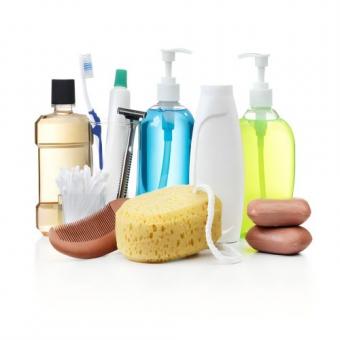
Surfactant, also known as interfacial active agent, is a compound that can significantly reduce the surface tension or interfacial tension between two liquids, liquid gas, and liquid solid. Surfactants are divided into ionic surfactants (including cationic surfactants, anionic surfactants, amphoteric surfactants), non-ionic surfactants, amphiphilic surfactants, etc.
Anti-aging agent promotes collagen production, enhances skin elasticity, and reduces wrinkles and fine lines Restoring agents repair damaged skin barriers, enhance skin resistance, reduce damage from external stimuli, and improve sensitive skin.
Conditioning agents is mainly used to improve the texture of hair, making it smooth, soft, easy to comb, and has a shaping effect.
Silicone oil is a kind of polysiloxane formed by alternating arrangement of silicon and oxygen. It has a silicon oxygen bond (Si-O) chain structure and usually exists in the form of liquid or gel. It has excellent chemical stability and high temperature resistance. Silicone oil has good film-forming properties, hydrophobicity, breathability, and physiological inertness. It can form a soft and breathable protective film on the surface of the skin, keeping the skin hydrated and smooth. Silicone oil is widely used in cosmetics, providing excellent protection and improvement functions.
Emollients are cosmetic components that help maintain the softness, flexibility, and smooth appearance of the skin. The function of Emollients is to remain on the surface of the skin and provide lubrication within the stratum corneum. Usually filling the space on the surface of the skin, replacing the lost lipids in the stratum corneum, reducing scaly skin, and improving skin appearance.
Vegetable oil is a compound formed by the reaction of higher fatty acids and glycerol, widely distributed in nature. It is an oil obtained from the fruits, seeds, and germ of plants, such as peanut oil, soybean oil, flaxseed oil, castor oil, rapeseed oil, etc. The fatty acids in vegetable oils can moisturize and brighten the skin, and are widely used in cosmetics.
Emulsifier is a type of substance that can form a stable emulsion from a mixture of two or more immiscible components. Emulsifiers are widely used in the daily chemical industry in care products and cosmetics. The emulsifiers used include natural surfactants and synthetic surfactants.
For inquiries about our products or pricelist, please leave to us and we will be in touch within 24 hours.


Copyright © 2026 Food ingredients,cosmetic ingredients,home care ingredients.. All Rights Reserved.

IPv6 network supported